أثار إعلان استحواذ النجم البرتغالي كريستيانو رونالدو على 25٪ من أسهم نادي ألميريا الإسباني عبر شركته الاستثمارية CR7 Sports Investments اهتمامًا واسعًا داخل الأوساط الاقتصادية الرياضية، نظرًا إلى طبيعة التحالف الاستثماري الذي تقوده SMC Group برئاسة محمد الخريجي، وما يحمله من مؤشرات تتجاوز إطار الاستثمار الأوروبي نحو قراءة أوسع لمسار ملكية الأندية في السوق السعودية.
البيان الرسمي للصفقة ركّز على مفاهيم التوسع الدولي وبناء محفظة استثمار رياضي طويلة الأجل، وهي مفردات ترتبط عادة بمرحلة تأسيس منصات استثمار متعددة الأندية، حيث تتجه التحالفات الرياضية العالمية إلى إنشاء منظومات ملكية متكاملة تجمع بين رأس المال والخبرة التشغيلية والقيمة التسويقية. دخول رونالدو كشريك استثماري يعكس انتقالًا من دور النجم المؤثر داخل الملعب إلى موقع الشريك في صناعة القرار الاقتصادي لكرة القدم.
تحول اقتصادي بدأ من النصر
منذ انتقال رونالدو إلى نادي النصر في يناير 2023، شهد الدوري السعودي تحولًا واضحًا في حضوره الإعلامي والتجاري. توسع البث التلفزيوني ليصل إلى أكثر من 180 دولة، وتوقيع عقد نقل بقيمة 2.32 مليار ريال لمدة 6 سنوات منح المنتج الكروي السعودي موقعًا جديدًا داخل سوق الحقوق الإعلامية العالمية. هذه القفزة عززت مكانة النصر كأحد أبرز الأصول الرياضية ذات الجاذبية الاستثمارية، نتيجة التفاعل الجماهيري العالمي وارتفاع القيمة التسويقية المرتبطة بالنادي.
التحولات التي رافقت هذه المرحلة أسست لبيئة اقتصادية جديدة داخل كرة القدم السعودية، حيث ارتبطت قيمة النادي بعوامل تتجاوز النتائج الرياضية لتشمل الانتشار الدولي والقوة التجارية وإمكانات النمو المستقبلي.
تحالف استثماري متعدد الأبعاد
الشراكة بين CR7 Sports Investments ومجموعة SMC تجمع بين عنصرين رئيسيين في اقتصاد الرياضة الحديث؛ علامة عالمية تمتلك تأثيرًا جماهيريًا وتسويقيًا واسعًا، ورأسمال يمتلك خبرة في إدارة الحقوق الإعلامية والمشاريع التجارية. هذا النموذج يمثل ما يعرف عالميًا بملكية الأندية متعددة المنصات الاستثمارية، حيث يجري بناء منظومة أصول رياضية مترابطة قادرة على التوسع في أكثر من سوق كروي.
امتلاك أصل أوروبي مثل ألميريا يمنح التحالف قاعدة تشغيلية داخل السوق الأوروبية، ويتيح تطوير نموذج إداري واستثماري قابل للتوسع نحو أسواق أخرى، وهي مرحلة ترتبط غالبًا بإعادة هيكلة الاستثمار قبل الدخول في أصول رياضية ذات قيمة أعلى.
دار النصر الجديدة
تزامن الصفقة مع العمل على مشروع دار النصر الجديدة يقدّم زاوية قراءة اقتصادية أعمق لمسار التحول داخل النادي. مشاريع البنية المؤسسية للأندية ترتبط عادة بمرحلة تحويل النادي إلى كيان تجاري قابل للتقييم والاستثمار، حيث تتجه الأندية نحو نماذج تشغيل قائمة على الحوكمة والاستدامة المالية وجذب الشراكات طويلة الأجل.
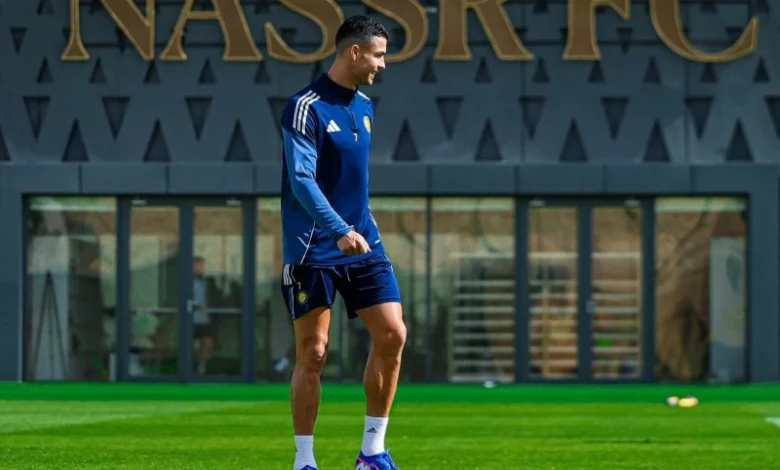
وبحسب مصادر مطلعة، طرح كريستيانو رونالدو على محمد الخريجي ومجموعته فكرة إنشاء مقر تدريبي حديث قريب من الملعب الرئيسي للنادي، بهدف رفع كفاءة البيئة الاحترافية وتعزيز جاهزية البنية التشغيلية للنصر. تفاعلت مجموعة الخريجي مع المقترح، وجرت مخاطبة الجهة المختصة لاعتماد المشروع، قبل تنفيذ المقر عبر شركة برتغالية جرى استقدامها بتوصية من رونالدو، مع دعم مالي كامل من مجموعة الخريجي.
وفي المؤتمر الصحفي الأول داخل المقر الجديد، وجّه الجهاز الفني بقيادة المدرب شكره على المشروع، في إشارة تعكس انتقال النادي نحو بيئة عمل احترافية تتماشى مع المعايير الأوروبية في إدارة الأندية.
هذا التطور يمنح مشروع دار النصر بُعدًا اقتصاديًا يتجاوز فكرة المنشأة الرياضية، إذ يعكس تأسيس بنية تشغيلية قابلة للاستثمار والتوسع التجاري، وهو ما يعزز جاذبية النادي أمام المستثمرين ويضعه ضمن الأصول الرياضية الجاهزة لمرحلة الملكية الخاصة.
الخصخصة ومسار رأس المال
الرياضة السعودية تعيش مرحلة انتقال نحو الاستثمار الخاص، مع توجه واضح لتحويل الأندية إلى أصول اقتصادية قادرة على جذب رؤوس الأموال. في هذا السياق يظهر النصر كأحد أكثر الأصول جاهزية نتيجة حضوره العالمي ونمو قيمته التجارية منذ عام 2023.
التحالف الاستثماري الذي تشكّل عبر صفقة ألميريا يقدّم نموذجًا يجمع رأس المال المحلي بالقيمة التسويقية العالمية، وهو نموذج ينسجم مع أهداف خصخصة الأندية الرامية إلى توطين الاستثمار الرياضي وتعزيز الاستدامة المالية والتشغيلية.
اقتصاد ما بعد النجومية
دخول رونالدو في ملكية الأندية يعكس تحولًا أوسع في صناعة كرة القدم، حيث تتجه النجومية العالمية نحو بناء أصول استثمارية طويلة الأمد وصناعة القيمة خارج الملعب. هذا المسار يفتح قراءة جديدة لمستقبل الاستثمار الرياضي المرتبط بالنصر، ويطرح تساؤلًا اقتصاديًا حول إمكانية انتقال التحالفات الاستثمارية الدولية إلى داخل الأندية السعودية مع تسارع التحول المؤسسي وارتفاع جاذبية السوق الرياضية السعودية عالميًا.
صفقة ألميريا تبدو بداية مرحلة الحديقة الخلفية لنادي النصر من خلال تنظيم استثماري أوسع، بينما تشير المؤشرات المتراكمة داخل النصر إلى بيئة تُعاد هندستها اقتصاديًا استعدادًا لمرحلة ملكية جديدة في كرة القدم السعودية.
The announcement of Portuguese star Cristiano Ronaldo acquiring 25% of the shares of the Spanish club Almería through his investment company CR7 Sports Investments has sparked wide interest within sports economic circles, due to the nature of the investment alliance led by SMC Group, chaired by Mohammed Al-Khuraiji, and the indicators it carries that go beyond the framework of European investment towards a broader reading of club ownership trends in the Saudi market.
The official statement regarding the deal focused on concepts of international expansion and building a long-term sports investment portfolio, terms that are usually associated with the establishment phase of multi-club investment platforms, where global sports alliances are moving towards creating integrated ownership systems that combine capital, operational expertise, and marketing value. Ronaldo’s entry as an investment partner reflects a transition from the role of an influential star on the field to a position of partnership in the economic decision-making of football.
An Economic Transformation Starting from Al-Nassr
Since Ronaldo’s transfer to Al-Nassr in January 2023, the Saudi league has witnessed a clear transformation in its media and commercial presence. Television broadcasting has expanded to over 180 countries, and a broadcasting contract worth 2.32 billion riyals for six years has granted Saudi football a new position within the global media rights market. This leap has enhanced Al-Nassr’s status as one of the most prominent sports assets with investment appeal, due to global fan engagement and the increase in the marketing value associated with the club.
The transformations accompanying this phase have established a new economic environment within Saudi football, where the value of the club is linked to factors that go beyond sports results to include international reach, commercial strength, and future growth potential.
A Multi-Dimensional Investment Alliance
The partnership between CR7 Sports Investments and SMC Group combines two key elements in the modern sports economy: a global brand with wide fan and marketing influence, and capital with expertise in managing media rights and commercial projects. This model represents what is globally known as multi-platform club ownership, where a system of interconnected sports assets is being built capable of expanding into more football markets.
Owning a European asset like Almería provides the alliance with an operational base within the European market and allows for the development of a management and investment model that can expand into other markets, a phase often associated with restructuring investments before entering into higher-value sports assets.
The New Al-Nassr House
The timing of the deal with the work on the new Al-Nassr House project offers a deeper economic perspective on the transformation within the club. Institutional infrastructure projects for clubs are usually linked to the phase of transforming the club into a commercial entity that can be evaluated and invested in, as clubs move towards operational models based on governance, financial sustainability, and attracting long-term partnerships.
According to informed sources, Cristiano Ronaldo proposed to Mohammed Al-Khuraiji and his group the idea of establishing a modern training facility near the club’s main stadium, aimed at enhancing the professionalism of the environment and improving the operational readiness of Al-Nassr. The Al-Khuraiji group responded positively to the proposal, and the relevant authority was contacted to approve the project, before executing the facility through a Portuguese company that was brought in on Ronaldo’s recommendation, with full financial support from the Al-Khuraiji group.
In the first press conference held at the new facility, the coaching staff, led by the coach, expressed their gratitude for the project, reflecting the club’s transition towards a professional work environment that aligns with European standards in club management.
This development gives the Al-Nassr House project an economic dimension that goes beyond the idea of a sports facility, as it reflects the establishment of an operational structure that is investable and commercially expandable, enhancing the club’s attractiveness to investors and positioning it among the sports assets ready for a phase of private ownership.
Privatization and Capital Pathways
Saudi sports is experiencing a transition towards private investment, with a clear trend to transform clubs into economic assets capable of attracting capital. In this context, Al-Nassr emerges as one of the most prepared assets due to its global presence and the growth of its commercial value since 2023.
The investment alliance formed through the Almería deal presents a model that combines local capital with global marketing value, a model that aligns with the goals of club privatization aimed at localizing sports investment and enhancing financial and operational sustainability.
The Economy Beyond Stardom
Ronaldo’s entry into club ownership reflects a broader transformation in the football industry, where global stardom is moving towards building long-term investment assets and creating value off the pitch. This path opens a new perspective on the future of sports investment related to Al-Nassr and raises an economic question about the possibility of international investment alliances transitioning into Saudi clubs with the acceleration of institutional transformation and the increasing global attractiveness of the Saudi sports market.
The Almería deal seems to mark the beginning of a new phase for Al-Nassr through a broader investment organization, while the accumulated indicators within Al-Nassr suggest an economically re-engineered environment in preparation for a new ownership phase in Saudi football.