
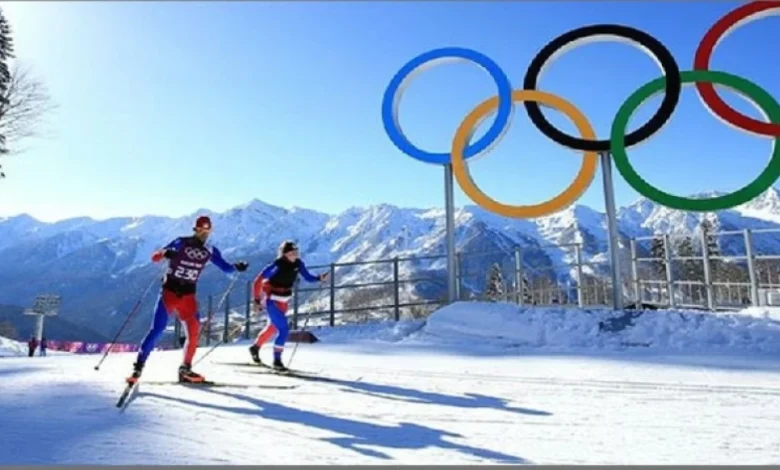
حذرت دراسة علمية جديدة نشرت مع قرب انطلاق دورة الألعاب الأولمبية الشتوية ميلانو-كورتينا 2026 في الأيام القادمة، من أن استضافة الألعاب الشتوية في العقود القادمة ستصبح أكثر صعوبة بكثير بسبب الاحتباس الحراري وتراجع الثلوج الطبيعية.
وكشفت الدراسة التي تمت بتمويل من اللجنة الأولمبية الدولية، أنه من بين 93 موقعاً حول العالم يمتلك البنية التحتية اللازمة لاستضافة الألعاب الشتوية، لن يبقى سوى 52 موقعاً فقط «موثوقاً مناخياً» بحلول خمسينيات القرن الحالي، و46 موقعاً بحلول ثمانينيات القرن، في السيناريو المتوسط للانبعاثات.
واعتمدت الدراسة على معيارين رئيسيين احتمالية وجود درجات حرارة تحت الصفر، ووجود طبقة ثلج لا تقل عن 30 سم مع افتراض استمرار استخدام الثلج الصناعي المتقدم.
أما الألعاب البارالمبية الشتوية التي تُقام في مارس فتواجه وضعاً أكثر خطورة، حيث يتوقع أن ينخفض عدد المواقع الموثوقة إلى 22 فقط بحلول الخمسينيات.
وتُظهر الأرقام أن كل مدينة استضافت الألعاب الشتوية منذ عام 1950 شهدت ارتفاعاً في درجات الحرارة، وعلى سبيل المثال في كورتينا في إيطاليا التي استضافت البطولة عام 1956 وتستضيفها العام 2026 ارتفعت درجات الحرارة المتوسطة بنحو 3.6 درجة مئوية منذ منتصف القرن الماضي، وانخفض عدد الأيام تحت الصفر بنسبة تقارب 20%.
وفي جبال الألب الفرنسية التي سوف تستضيف البطولة العالمية في 2030، خسرت المنطقة نحو ثلث كمية الثلج السنوية خلال القرن الماضي، وفي ولاية يوتا الأمريكية التي سوف تستضيف الدورة في 2034، سجّلت المنطقة هذا الموسم تراكماً ثلجياً ضئيلاً جداً مقارنة بالمعدل الطبيعي.
وأكد خبراء أن الاعتماد المتزايد على الثلج الصناعي رغم أهميته لا يحل المشكلة كلياً؛ فهو ينتج ثلجاً أكثر صلابة وأقل أماناً للرياضيين، كما يستهلك كميات ضخمة من الماء والطاقة في وقت تعاني فيه المناطق الجبلية من الجفاف المتزايد.
وقالت مارسين ميتشل، نائبة رئيس منظمة الصندوق العالمي للطبيعة لشؤون تغير المناخ: «عدد الأيام تحت الصفر وهو ما نحتاجه للثلج انخفض بنحو 20%، الثلج الصناعي أكثر صلابة وأكثر خطورة على الرياضيين، ويتطلب كميات هائلة من الماء والطاقة».
وتشير التقارير إلى أن اللجنة الأولمبية الدولية بدأت بالفعل في تعديل معايير الاستضافة المستقبلية لتشمل متطلبات مناخية أكثر صرامة ابتداءً من دورة 2030، مع النظر في خيارات مثل تقديم موعد الألعاب أو التركيز على المناطق الأكثر برودة.
A new scientific study published just ahead of the upcoming Winter Olympic Games in Milan-Cortina 2026 warns that hosting the Winter Games in the coming decades will become significantly more difficult due to global warming and the decline of natural snow.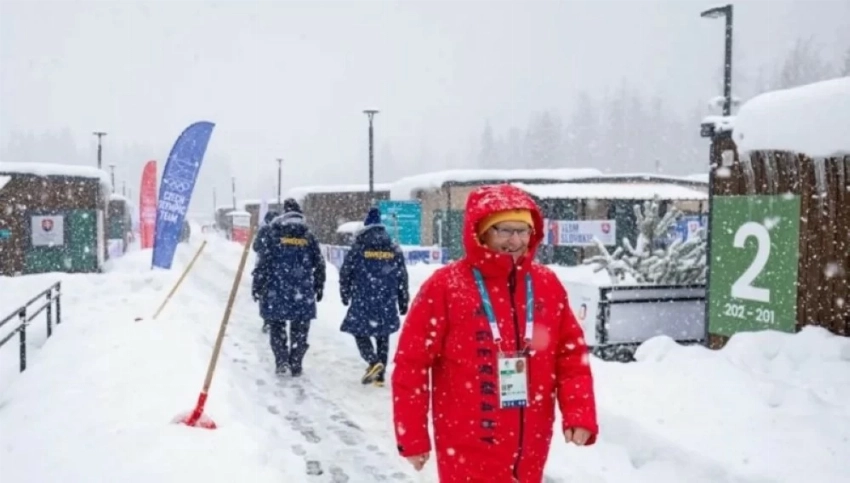
The study, funded by the International Olympic Committee, revealed that out of 93 locations worldwide with the necessary infrastructure to host the Winter Games, only 52 will remain “climate-reliable” by the 2050s, and 46 locations by the 2080s, in a medium emissions scenario.
The study relied on two main criteria: the likelihood of temperatures falling below zero and the presence of a snow layer of at least 30 cm, assuming the continued use of advanced artificial snow.
As for the Winter Paralympic Games, which take place in March, they face an even more severe situation, with the number of reliable locations expected to drop to just 22 by the 2050s.
Figures show that every city that has hosted the Winter Games since 1950 has experienced a rise in temperatures. For example, in Cortina, Italy, which hosted the championship in 1956 and will host it again in 2026, average temperatures have risen by about 3.6 degrees Celsius since the mid-20th century, and the number of days below zero has decreased by nearly 20%.
In the French Alps, which will host the world championship in 2030, the region has lost about one-third of its annual snow amount over the past century. In the U.S. state of Utah, which will host the Games in 2034, the area recorded very little snow accumulation this season compared to the normal average.
Experts have confirmed that the increasing reliance on artificial snow, despite its importance, does not fully solve the problem; it produces harder and less safe snow for athletes and consumes massive amounts of water and energy at a time when mountainous regions are suffering from increasing drought.
Marcin Mitchell, Vice President of the World Wildlife Fund for Climate Change, stated: “The number of days below zero, which we need for snow, has decreased by about 20%. Artificial snow is harder and more dangerous for athletes, and it requires enormous amounts of water and energy.”
Reports indicate that the International Olympic Committee has already begun to adjust future hosting standards to include stricter climate requirements starting from the 2030 Games, considering options such as moving the Games to earlier dates or focusing on cooler regions.