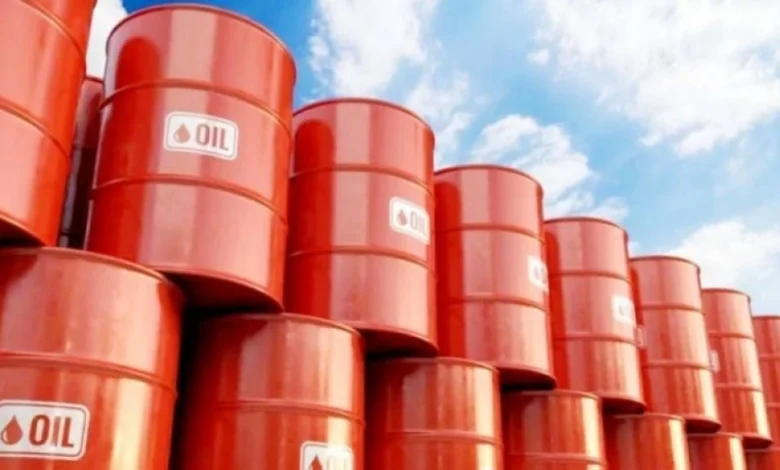
عززت صناديق التحوط رهاناتها على ارتفاع أسعار النفط الخام إلى أعلى مستوى منذ شهر أغسطس الماضي، وسط اضطرابات الإمدادات في منطقة البحر الأسود، والضبابية التي تحيط بخطط واشنطن تجاه إيران، إحدى أكبر الدول المنتجة للنفط عالمياً.
ورفع مديرو الأموال صافي مراكزهم الشرائية الصافية المجمعة على الخامين القياسيين غرب تكساس الوسيط وبرنت بمقدار 15,487 عقداً ليصل الإجمالي إلى 250,686 عقداً خلال الأسبوع المنتهي في 20 يناير الجاري، وفق بيانات جمعتها «بلومبيرغ». ويُعد هذا المستوى الأكثر تفاؤلاً منذ الصيف الماضي، حين تبادلت إسرائيل وإيران ضربات جوية.
إشارات متباينة
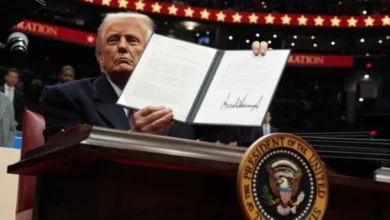
وحلل المستثمرون خلال الأسبوع الماضي، إشارات متباينة صادرة عن إدارة الرئيس الأمريكي دونالد ترمب بشأن نواياها لشن ضربة عسكرية ضد إيران.
فرغم تأكيد ترمب تلقيه ضمانات تفيد بأن النظام سيتوقف عن قتل المتظاهرين، متراجعاً بذلك عن تحذيرات سابقة ربطت عدم الامتثال باتخاذ «إجراءات صارمة»، فإن المتداولين ترددوا في تقليص مراكزهم الشرائية الطويلة تحسباً لتراجع الرئيس عن موقفه.
شح الإمدادات
وشغلت التحركات الأخيرة التي اتخذتها واشنطن لإزاحة الرئيس الفنزويلي نيكولاس مادورو حيزاً واسعاً من اهتمام الكثيرين.
في غضون ذلك، علقت أكبر شركة منتجة للنفط في كازاخستان عملياتها في حقلي تينغيز وكوروليف عقب اندلاع حريقين في محطات توليد الكهرباء؛ ما أدى إلى شح في الإمدادات العالمية.
وكانت كازاخستان قد خفضت إنتاجها من النفط بالفعل عقب هجمات بطائرات مسيرة استهدفت محطة شحن تابعة لاتحاد خط أنابيب بحر قزوين داخل روسيا، التي تُعد منفذاً لنحو 80% من صادرات البلاد.
Hedge funds have increased their bets on rising crude oil prices to the highest level since last August, amid supply disruptions in the Black Sea region and the uncertainty surrounding Washington’s plans regarding Iran, one of the largest oil-producing countries in the world.
Fund managers raised their net long positions combined on the two benchmark crudes, West Texas Intermediate and Brent, by 15,487 contracts, bringing the total to 250,686 contracts during the week ending January 20, according to data compiled by Bloomberg. This level is the most optimistic since last summer when Israel and Iran exchanged airstrikes.
Mixed Signals
Investors analyzed mixed signals last week from President Donald Trump’s administration regarding its intentions to launch a military strike against Iran.
Despite Trump confirming that he received assurances that the regime would stop killing protesters, thus retracting previous warnings that linked non-compliance to taking “tough measures,” traders hesitated to reduce their long positions in anticipation of the president backtracking on his stance.
Supply Shortages
The recent moves by Washington to oust Venezuelan President Nicolás Maduro have garnered significant attention from many.
Meanwhile, Kazakhstan’s largest oil-producing company suspended operations at the Tengiz and Korolev fields following the outbreak of two fires at power generation stations, leading to a tightening of global supplies.
Kazakhstan had already reduced its oil production following drone attacks that targeted a loading terminal belonging to the Caspian Pipeline Consortium inside Russia, which is a conduit for about 80% of the country’s exports.