
في صباح عادي، يفتح موظف بريده الإلكتروني، يكتب أمراً سريعاً لأداة ذكاء اصطناعي، ويضغط «إرسال»، ثوانٍ معدودة، وتصله إجابة تبدو متقنة، واثقة، ومقنعة، لكن خلف هذا البريق قد يكمن سطر واحد خاطئ يكلّفه وظيفته، أو سمعته، أو يورطه في قضية قانونية معقدة، ففي عالم لا ينام، تحول «الذكاء الاصطناعي» من رفاهية تقنية إلى واقع يقتحم مكاتبنا، و«عكاظ» تكشف لك أن الفارق بين الانهيار والنجاح الباهر يكمن في مهارة واحدة: «هندسة الأوامر» (Prompt Engineering).
هندسة الأوامر.. «ذكاء السؤال هو نصف الإجابة»
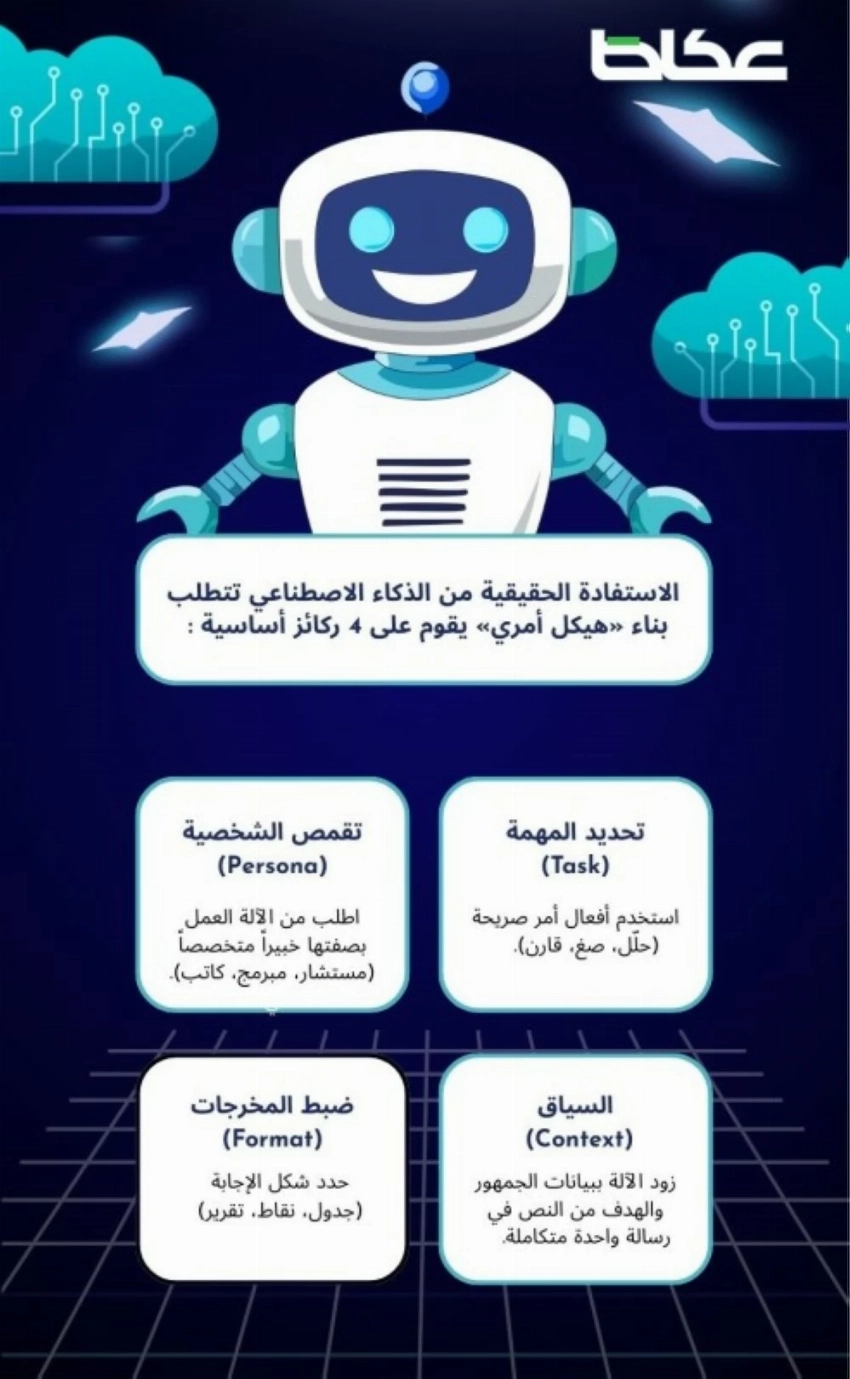
يرى المختص في التقنية مؤيد دبوان لـ«عكاظ» أن الذكاء الاصطناعي ليس صندوقاً سحرياً، بل هو «مرآة» تعكس ذكاء من يوجهه، ويؤكد أن الاستفادة الحقيقية تتطلب بناء «هيكل أمري» يقوم على 4 ركائز أساسية:
- تحديد المهمة (Task): استخدم أفعال أمر صريحة (حلّل، صغ، قارن).
- تقمص الشخصية (Persona): اطلب من الآلة العمل بصفتها خبيراً متخصصاً (مستشار، مبرمج، كاتب).
- السياق (Context): زود الآلة ببيانات الجمهور والهدف من النص في رسالة واحدة متكاملة.
- ضبط المخرجات (Format): حدد شكل الإجابة (جدول، نقاط، تقرير).
وأضاف دبوان: «المهندس الحقيقي هو من يحاور الآلة ويطلب منها نقد نفسها قبل اعتماد النتيجة، ما يوفر 90% من وقت العمل المهني، لأن الأوامر (الصحيحة) هي التي تختصر سلسلة طويلة من التعديلات على إجابات الذكاء الاصطناعي».

تجنب فخ «الهلوسة».. القضاء يتصدى للعشوائية
رصدت «عكاظ» كوارث قانونية ناتجة عن «الهلوسة الرقمية» وعدم التحقق البشري؛ فالاعتماد على التقنية دون تدخل بشري يعطي في العديد من الأحوال إجابات خاطئة لا تمت للواقع بصلة، هذه الإجابات الخاطئة لم يقتصر أثرها على الأعمال البسيطة فحسب، بل امتد أثرها إلى المحامين عبر حالات استخدم فيها المحامون الذكاء الاصطناعي بلا مراجعة ودون تزويده بأحدث القوانين ومستجداتها، بكتابتهم مذكرات وقضايا سابقة لا أساس لها ومن ذلك:
- في أمريكا وتحديداً في ولاية (تاكساس) أصدرت قاضية عقوبات ضد محامي بغرامة 2,000 دولار بعد تقديمه قضايا وهمية اختلقها الذكاء الاصطناعي في دفوعه.

- أما في الجانب العربي وتحديداً في قطر: أصدرت محكمة مركز قطر المالي حكماً في شهر (نوفمبر 2025) ضد محامٍ استند لسوابق خيالية.

- وبالانتقال إلى جنوب أفريقيا: أُلزم مكتب محاماة بتحمل تكاليف جلسات إضافية نتيجة اعتماد خاطئ على مخرجات تقنية غير دقيقة.

نادي التريليونات.. كيف أعاد الذكاء رسم خارطة الثروة؟
لم تكن أرقام النمو مجرد إحصاءات، بل كانت زلزالاً اقتصادياً أعاد ترتيب موازين القوى العالمية، وتكشف البيانات المالية التي حللتها «عكاظ» (والموضحة بالتفصيل في الرسم البياني المرفق) صعوداً أسطورياً لـ«أشهر 5 شركات في مجال الذكاء الاصطناعي».
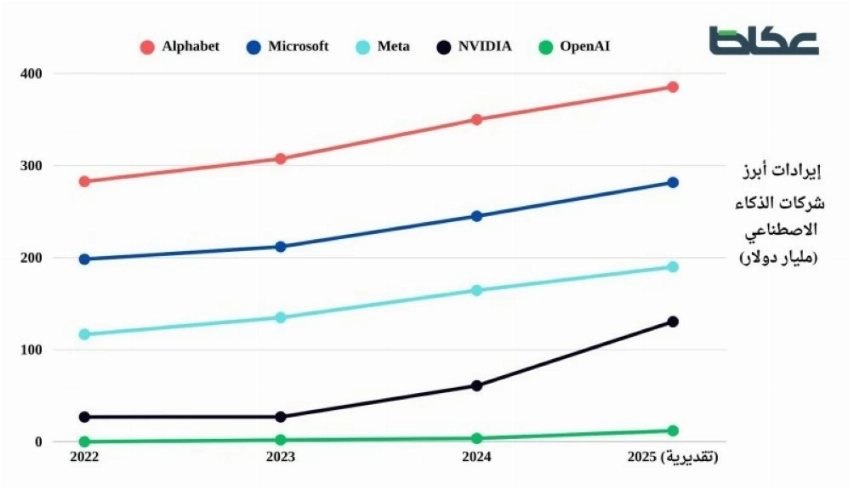
فمع انتشار الذكاء الاصطناعي التوليدي عبر القطاعات المختلفة، تعمل الشركات على توسيع البنية التحتية، وتعزيز قدرات النماذج، وربطها أكثر بالقطاع المؤسسي، وفي حال استمر النمو بهذه الوتيرة للسنوات القادمة، فإن قطاع الذكاء الاصطناعي قد يشهد واحدة من أسرع فترات التوسع الصناعي في التاريخ الحديث، ما يعيد رسم موازين القوى في التكنولوجيا العالمية ويخلق فرصاً استثمارية هائلة لمختلف اللاعبين، من الأفراد إلى صناديق التقاعد الكبرى.
ما وراء الـ 20 دولاراً.. المهارة لا تُشترى بالاشتراكات
يعتقد الكثيرون أن سداد قيمة الاشتراك الشهري في أدوات الذكاء الاصطناعي هو «تذكرة دخول» لعصر التميز، لكن الحقيقة أن دفع الـ20 دولاراً يمنحك «الآلة» فقط، بينما تظل «القدرة» رهينة عقلك. إنها تماماً كمن يشتري سيارة سباق وهو لا يجيد القيادة.
زلزال «سوق العمل».. الآلة لا تسرق الوظائف بل تقضي على التقليدية
نحن نعيش الآن ذروة «التحول العظيم»؛ حيث تُجبر الشركات اليوم على المفاضلة بين تكلفة الموظف التقليدي وكفاءة الخوارزمية التي لا تتعب، هذا الزلزال لم يأتِ ليسرق الوظائف كما يُشاع، بل ليعدم المهمات الروتينية للوظيفة ويحرر العقل البشري للمهمات الأكثر تعقيداً.
وفقاً لما أكده المستشار المحلل الاجتماعي الدكتور عبدالرحمن الشهراني لـ«عكاظ»، فإن أكثر الوظائف تخوفاً من شاغليها والمعرضة للتغيير الجذري خلال الفترة الحالية هي:
- الدعم الفني: أنظمة الذكاء الاصطناعي باتت تُحلل نبرة الصوت وتوفر حلولاً فورية، ما أدى للاستغناء عن 70% من طواقم الدعم البشري في شركات كبرى.
- الترجمة والتدقيق: تحول دور المترجم من «منفذ» إلى «مدقق سياق»، وهو تحول أقصى المترجمين التقليديين من المشهد.
- البحث القانوني: القدرة على مسح ملايين الوثائق في ثوانٍ قلصت الحاجة لجيوش المساعدين في مكاتب المحاماة العالمية.
- التصميم الجرافيكي البسيط: الأعمال النمطية باتت تُنجز آليًا خلال دقائق.

كيف وفر حذيفة على نفسه نصف تكاليف قطع الغيار؟
لم يكن حذيفة فرحان خبير سيارات، ولا ميكانيكياً محترفاً، لكنه كان يعرف شيئاً واحداً جيداً: «أن تكلفة قطع غيار سيارته في الوكالة أعلى مما يجب».
عندما قصد عدة محلات لقطع الغيار طالباً أرقام القطع الأصلية لسيارته، قوبل بالرفض أو المماطلة، بعضهم اكتفى بعبارة: «اشتري القطعة وتشوف رقمها»، وآخرون حاولوا إقناعه بأن الشراء من الخارج «مغامرة خاسرة».
لكن حذيفة لم يتوقف عند هذا الحد، عاد إلى منزله، وفتح حاسوبه، وقرر أن يجرّب طريقاً مختلفاً، أدخل موديل سيارته، سنة الصنع، ونوع المحرك في أداة ذكاء اصطناعي، وطرح سؤالاً بسيطاً: ما أرقام قطع الغيار الأصلية لهذا الموديل؟
خلال دقائق، حصل على ما لم يحصل عليه خلال أيام من المراجعات.
الذكاء الاصطناعي لم يكتفِ بإعطائه رقم قطعة واحدة، بل عرض له قائمة كاملة: أرقام الفلاتر، نظام المكابح، القطع الاستهلاكية، وحتى البدائل المعتمدة من شركات أخرى.
لم يتوقف الأمر عند ذلك، عندما واجه حذيفة مواقع أجنبية لا يتقن لغتها، استخدم الترجمة الذكية لفهم تفاصيل الشراء، وشروط الشحن، والفروقات بين البائعين. وبمساعدة الذكاء الاصطناعي، تعلّم كيف يقارن بين الأسعار، ويختار البائع الموثوق، ويحسب تكلفة الشحن والضرائب بدقة.
الأهم من ذلك، أنه تعلّم آلية الشحن الأقل تكلفة عبر ترجمة سياسات الشحن وفهم خيارات التجميع والتوصيل البطيء، استطاع إيصال القطع إلى منزله بسعر يقل عن نصف ما كان سيدفعه لو اشترى القطع نفسها من المحلات المحلية.
On an ordinary morning, an employee opens their email, writes a quick command for an AI tool, and hits “Send.” Within seconds, they receive a response that seems polished, confident, and convincing. However, behind this shine may lie a single incorrect line that could cost them their job, reputation, or entangle them in a complex legal case. In a world that never sleeps, “artificial intelligence” has transformed from a technological luxury into a reality that invades our offices, and “Okaz” reveals that the difference between collapse and resounding success lies in one skill: “Prompt Engineering.”
Prompt Engineering.. “The intelligence of the question is half the answer”
Technology specialist Muayyad Dubwan tells “Okaz” that artificial intelligence is not a magic box, but rather a “mirror” reflecting the intelligence of those who direct it. He emphasizes that real benefit requires building a “command structure” based on four essential pillars:
- Task Definition: Use explicit command verbs (analyze, summarize, compare).
- Persona: Ask the machine to act as a specialized expert (consultant, programmer, writer).
- Context: Provide the machine with audience data and the purpose of the text in one comprehensive message.
- Output Formatting: Specify the format of the answer (table, bullet points, report).
Dubwan added: “The real engineer is one who dialogues with the machine and asks it to critique itself before accepting the result, which saves 90% of professional work time, because the (correct) commands are what shorten a long series of modifications to the AI’s responses.”

Avoiding the “hallucination” trap.. The judiciary confronts randomness
“Okaz” has documented legal disasters resulting from “digital hallucination” and the lack of human verification. Relying on technology without human intervention often yields incorrect answers that have no relation to reality. These incorrect answers have not only affected simple tasks but have also extended to lawyers through cases where they used AI without review and without providing it with the latest laws and updates, writing memos and fictitious cases, including:
- In America, specifically in Texas, a judge imposed penalties on a lawyer with a $2,000 fine after he presented fictitious cases fabricated by AI in his defenses.
- In the Arab world, specifically in Qatar: A court in the Qatar Financial Centre issued a ruling in November 2025 against a lawyer who relied on fictional precedents.
- In South Africa: A law firm was required to bear the costs of additional sessions due to incorrect reliance on inaccurate technological outputs.
The Trillion Club.. How has AI redrawn the map of wealth?
The growth figures were not just statistics; they were an economic earthquake that rearranged the balance of global power. The financial data analyzed by “Okaz” (detailed in the attached chart) reveals a legendary rise of the “top 5 companies in the field of artificial intelligence.”
With the spread of generative AI across various sectors, companies are working to expand infrastructure, enhance model capabilities, and connect them more with the corporate sector. If growth continues at this pace in the coming years, the AI sector may witness one of the fastest periods of industrial expansion in modern history, reshaping the balance of power in global technology and creating enormous investment opportunities for various players, from individuals to major pension funds.
Beyond the $20.. Skills cannot be bought with subscriptions
Many believe that paying the monthly subscription fee for AI tools is a “ticket to entry” into the era of excellence, but the truth is that paying $20 only gives you “the machine,” while the “ability” remains hostage to your mind. It’s just like someone buying a race car without knowing how to drive.
The “job market” earthquake.. The machine does not steal jobs but eliminates the traditional ones
We are now living the peak of the “great transformation”; companies today are forced to choose between the cost of traditional employees and the efficiency of algorithms that do not tire. This earthquake did not come to steal jobs as rumored, but to eliminate the routine tasks of jobs and free the human mind for more complex tasks.
According to social analyst Dr. Abdulrahman Al-Shahrani, who spoke to “Okaz,” the most feared jobs among their holders and at risk of radical change during this period are:
- Technical Support: AI systems are now analyzing voice tones and providing instant solutions, leading to a reduction of 70% in human support staff in major companies.
- Translation and Proofreading: The role of the translator has shifted from “executor” to “context checker,” which has pushed traditional translators out of the scene.
- Legal Research: The ability to scan millions of documents in seconds has reduced the need for armies of assistants in global law firms.
- Simple Graphic Design: Routine tasks are now completed automatically within minutes.

How did Huwaifa save himself half the cost of spare parts?
Huwaifa Farhan was neither a car expert nor a professional mechanic, but he knew one thing well: “The cost of spare parts for his car at the dealership is higher than it should be.”
When he visited several spare parts shops asking for the original part numbers for his car, he was met with refusal or delay. Some simply said, “Buy the part and see its number,” while others tried to convince him that buying from abroad was a “losing gamble.”
But Huwaifa did not stop there; he returned home, opened his computer, and decided to try a different route. He entered his car’s model, year of manufacture, and engine type into an AI tool and asked a simple question: What are the original spare part numbers for this model?
Within minutes, he obtained what he had not received in days of inquiries.
The AI did not just provide him with one part number; it presented him with a complete list: filter numbers, brake system parts, consumables, and even approved alternatives from other companies.
The matter did not stop there; when Huwaifa faced foreign websites whose language he did not master, he used smart translation to understand the details of the purchase, shipping terms, and differences between sellers. With the help of AI, he learned how to compare prices, choose a reliable seller, and accurately calculate shipping costs and taxes.
Most importantly, he learned the least expensive shipping method by translating shipping policies and understanding options for consolidation and slow delivery, allowing him to get the parts delivered to his home at a price less than half of what he would have paid if he had bought the same parts from local shops.