
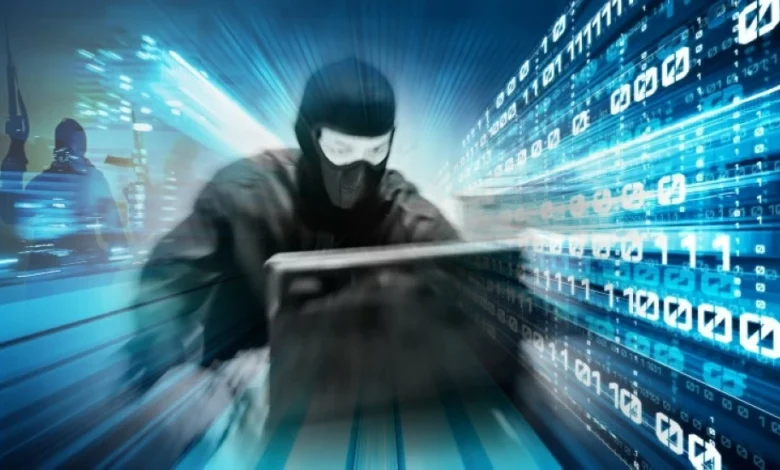
لم يعد الذكاء الاصطناعي مجرد أداة للتنمية وتسريع الابتكار، بل تحوّل إلى سلاح مزدوج قد يخدم، في الوقت نفسه، مشاريع التطرف والعنف المنظم، ما يضعه في قلب معادلات الأمن القومي الحديثة.
اختبارات متطرفة
تقارير أمنية تشير إلى أن جماعات متطرفة بدأت اختبار توظيف الذكاء الاصطناعي، سواءً في إنتاج محتوى دعائي أكثر إقناعًا أو في تحسين قدراتها على التخفي والمناورة الرقمية. حيث يساهم الذكاء الاصطناعي في تسريع وتيرة التجنيد الرقمي، خصوصًا بين الشباب، عبر رسائل مخصصة وخطاب متكيف مع الميول النفسية والاجتماعية للفئات المستهدفة.
تزييف وتضليل
تُستخدم تقنيات التزييف العميق في فبركة الأخبار والصور ومقاطع الفيديو، بما يسمح بالتلاعب بالرأي العام، وبث الفوضى، وتقويض الثقة في المؤسسات والإعلام. فبعض نماذج الذكاء الاصطناعي قد تكشف، بصياغات ملتوية أو غير مباشرة، معلومات حساسة يمكن استغلالها أمنيًا، ما يثير مخاوف متزايدة حول حدود الأمان والحوكمة.
تحديات استخباراتية
تواجه الأجهزة الاستخباراتية صعوبة متنامية في ضبط وتتبع استجابات الذكاء الاصطناعي، خاصة مع تطوره السريع وقدرته على توليد محتوى متغير يصعب التنبؤ به. من أخطر أوجه الاستغلال المحتملة، استخدام الذكاء الاصطناعي لرصد نقاط ضعف البنية التحتية الحيوية، وتحليل البيانات المفتوحة للوصول إلى ثغرات أمنية دقيقة.
مواجهة جزئية
في المقابل، يُستخدم الذكاء الاصطناعي نفسه كأداة لمكافحة التطرف، عبر رصد المحتوى المتشدد مبكرًا وتحليل أنماط السلوك الرقمي، لكن هذه المواجهة ما زالت جزئية وغير كافية. وتمتلك شركات التكنولوجيا القدرة الأكبر على المراقبة المبكرة والحد من إساءة الاستخدام، بحكم سيطرتها على المنصات والنماذج، ما يجعل مسؤوليتها محورية في المعركة القادمة.
تشريعات غائبة
يبقى غياب تشريعات فعالة ومنسقة دوليًا أحد أخطر العوامل التي تفاقم المخاطر الأمنية، في وقت يتقدم فيه الذكاء الاصطناعي بوتيرة أسرع من قدرة القوانين على اللحاق به.
Artificial intelligence is no longer just a tool for development and accelerating innovation; it has transformed into a double-edged sword that can simultaneously serve extremist and organized violence projects, placing it at the heart of modern national security equations.
Extreme Tests
Security reports indicate that extremist groups have begun testing the use of artificial intelligence, whether in producing more persuasive propaganda content or in enhancing their capabilities for digital concealment and maneuvering. Artificial intelligence contributes to accelerating the pace of digital recruitment, especially among youth, through personalized messages and discourse tailored to the psychological and social tendencies of the targeted groups.
Forgery and Deception
Deepfake technologies are used to fabricate news, images, and videos, allowing for manipulation of public opinion, sowing chaos, and undermining trust in institutions and the media. Some AI models may reveal sensitive information, in twisted or indirect formulations, that can be exploited for security purposes, raising increasing concerns about the limits of security and governance.
Intelligence Challenges
Intelligence agencies face a growing difficulty in monitoring and tracking artificial intelligence responses, especially with its rapid development and ability to generate unpredictable changing content. One of the most dangerous potential exploitations is the use of artificial intelligence to identify vulnerabilities in critical infrastructure and analyze open data to uncover precise security gaps.
Partial Confrontation
Conversely, artificial intelligence itself is used as a tool to combat extremism by early monitoring of extremist content and analyzing digital behavior patterns, but this confrontation remains partial and insufficient. Technology companies have the greatest capacity for early monitoring and reducing misuse, due to their control over platforms and models, making their responsibility pivotal in the upcoming battle.
Absent Legislation
The absence of effective and internationally coordinated legislation remains one of the most dangerous factors exacerbating security risks, at a time when artificial intelligence is advancing at a pace faster than the ability of laws to keep up.