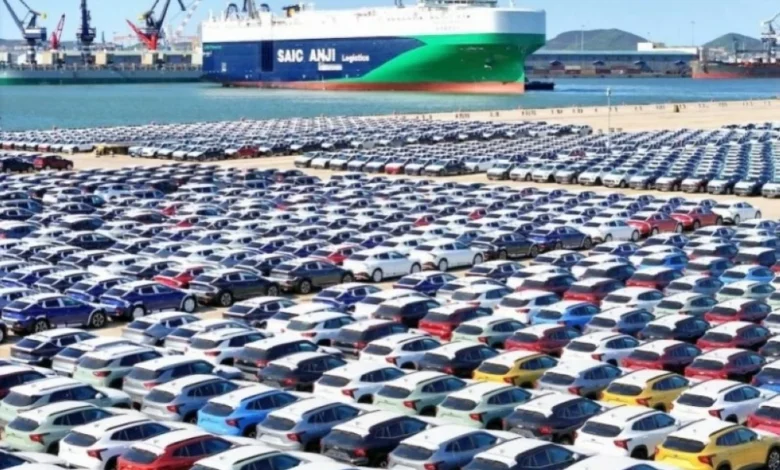
أعلنت الجهات الرقابية في الصين قواعد جديدة تحظر بيع السيارات بأقل من التكلفة الكاملة، في خطوة تنظيمية تستهدف إنهاء حرب أسعار شرسة استمرت لسنوات وأثرت في استقرار أكبر سوق سيارات في العالم.
وجاء القرار بعد اعتماد عدد من شركات السيارات على استراتيجيات تسعير عدوانية، تمثلت في بيع المركبات أحيانًا بأقل من تكلفة إنتاجها بهدف تعزيز الحصة السوقية وتسريع التوسع، حتى وإن كان ذلك على حساب تسجيل خسائر مالية.
وأوضحت الهيئة الصينية لتنظيم السوق أن مفهوم «التكلفة الكاملة» يشمل تكلفة التصنيع، والمصاريف الإدارية والمالية، إضافة إلى تكاليف التسويق والتوزيع، ما يسد ثغرات كانت تتيح للشركات تحقيق نمو سريع عبر البيع بخسارة.
كما تضمن القرار حظر التلاعب السعري بين المصنعين والموردين، ومنع برامج الخصومات القسرية التي تُجبر الوكلاء على البيع دون ربح، إضافة إلى الحد من الممارسات التي تُقصي المنافسين الأصغر من السوق.
ويرى مراقبون أن هذه الخطوة قد تعيد ضبط المنافسة داخل السوق الصينية، وتدفع الشركات إلى إعادة تقييم سياساتها التسعيرية خلال المرحلة القادمة.
The regulatory authorities in China have announced new rules prohibiting the sale of cars below the full cost, in a regulatory move aimed at ending a fierce price war that has lasted for years and affected the stability of the largest car market in the world.
The decision came after several car companies relied on aggressive pricing strategies, which involved selling vehicles sometimes below their production cost in order to boost market share and accelerate expansion, even at the expense of incurring financial losses.
The Chinese market regulation agency clarified that the concept of “full cost” includes manufacturing costs, administrative and financial expenses, as well as marketing and distribution costs, closing loopholes that allowed companies to achieve rapid growth by selling at a loss.
The decision also included a ban on price manipulation between manufacturers and suppliers, and prohibited coercive discount programs that force dealers to sell at a loss, in addition to limiting practices that exclude smaller competitors from the market.
Observers believe that this step may recalibrate competition within the Chinese market and push companies to reassess their pricing policies in the upcoming phase.