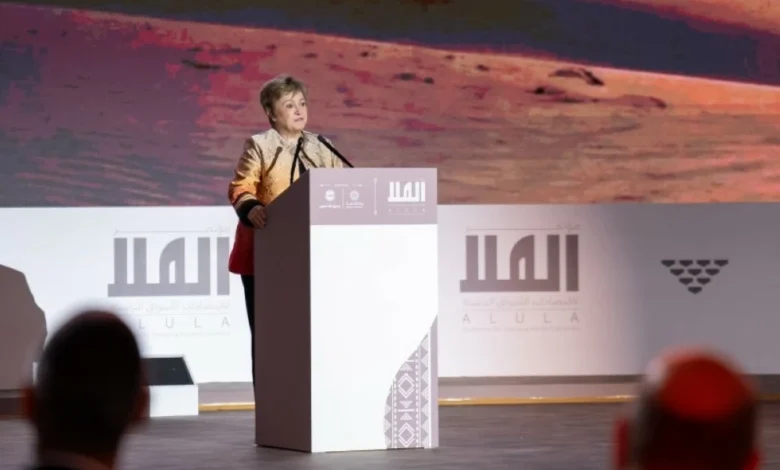
أكدت مديرة صندوق النقد الدولي كريستالينا غورغيفا، أن مؤتمر العُلا لاقتصادات الأسواق الناشئة 2026 في نسخته الثانية يؤكد أهمية الدور المحوري الذي تضطلع به الاقتصادات الناشئة في الاقتصاد العالمي.
وأبدت إعجابها بالإصلاحات الاقتصادية والضريبية والمالية التي تشهدها الأسواق الناشئة، مؤكدة أن أن السياسات الجيدة هي التي تحقق نجاحات.
وأوضحت أن الدراسات والبحوث تشير إلى تمتع اقتصادات الأسواق الناشئة بدرجة عالية من استقلالية البنوك المركزية، إلى جانب وضوح الرؤية فيما يتعلق بمستهدفات التضخم، إضافة إلى الاعتماد الأقل على التقلبات في أسواق الأسهم والعملات، إلى جانب تبني سياسات مالية تركز على أطر العمل متوسطة الأجل.
وأضافت أن حصة اقتصادات الأسواق الناشئة من الاقتصاد العالمي تجاوزت الآن أكثر من نصف الحجم العالمي، لتصل إلى نحو 56%، في مسار تحقق عبر التعاون المشترك.
وحذّرت من أن النمو لا يزال دون المستوى المطلوب بعد جائحة كورونا، وهو ما يشكل مصدر قلق متزايد، خصوصاً في ظل احتمال التعرض لمزيد من الصدمات الاقتصادية.
وأوضحت أن ضغوط الإنفاق وارتفاع مستويات الديون في العديد من الدول تفرض تحديات واضحة، مشيرة إلى وجود أولويتين أساسيتين للسياسات الاقتصادية في المرحلة المقبلة؛ تتمثل الأولى في إطلاق طاقات القطاع الخاص، وتعميق دور الأسواق الناشئة، وتعزيز الإطار المؤسسي، إلى جانب تمكين الشباب وتطوير مهارات جديدة لأعمال الغد، معربة عن الأمل في أن يكون الشباب رواد أعمال لا يعتمدون فقط على الحكومات لتوفير الفرص الوظيفية.
Kristalina Georgieva, the Managing Director of the International Monetary Fund, confirmed that the 2026 Al-Ula Conference for Emerging Market Economies in its second edition emphasizes the crucial role that emerging economies play in the global economy.
She expressed her admiration for the economic, tax, and financial reforms taking place in emerging markets, affirming that good policies are those that achieve successes.
She explained that studies and research indicate that emerging market economies enjoy a high degree of independence for central banks, along with a clear vision regarding inflation targets, in addition to a lesser reliance on fluctuations in stock and currency markets, as well as the adoption of fiscal policies that focus on medium-term frameworks.
She added that the share of emerging market economies in the global economy has now exceeded more than half of the global size, reaching about 56%, in a trajectory achieved through joint cooperation.
She warned that growth remains below the desired level after the COVID-19 pandemic, which poses an increasing source of concern, especially in light of the possibility of facing further economic shocks.
She clarified that spending pressures and rising debt levels in many countries present clear challenges, pointing out that there are two main priorities for economic policies in the upcoming phase; the first is to unleash the potential of the private sector, deepen the role of emerging markets, and enhance the institutional framework, along with empowering youth and developing new skills for the jobs of tomorrow, expressing hope that young people will become entrepreneurs who do not solely rely on governments to provide job opportunities.