كشفت دراسة علمية حديثة نُشرت في مجلة «التقارير العلمية»، إحدى المجلات الدولية المحكمة، نتائج متقدمة في التنبؤ بنمو السياحة في المملكة العربية السعودية حتى عام 2034، باستخدام نماذج الذكاء الاصطناعي وتعلم الآلة، ضمن إطار رؤية السعودية 2030.
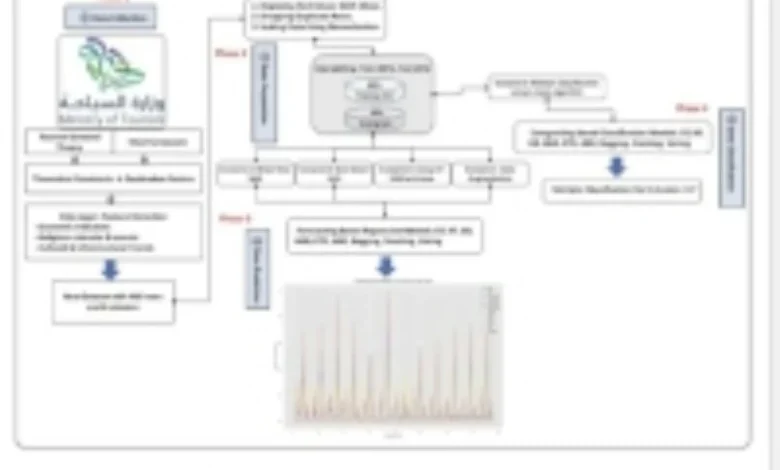
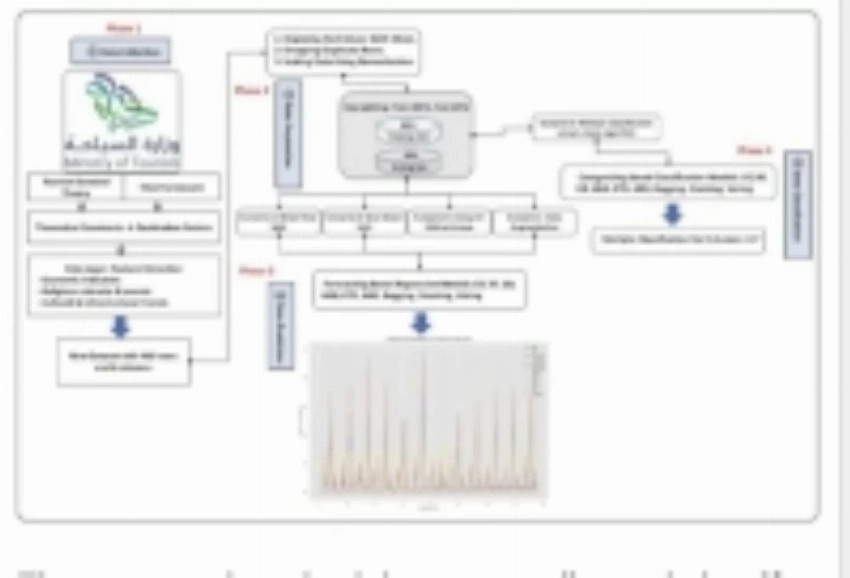
الدراسة، التي أعدّها فريق بحثي من جامعات سعودية ودولية، اعتمدت على بيانات رسمية لحركة السياحة في المدن السعودية خلال الفترة من 2021 إلى 2023، وركّزت على تحليل الطلب السياحي في ظل التحول الكبير الذي يشهده القطاع السياحي بوصفه أحد أعمدة التنويع الاقتصادي في المملكة.
وقدمت الدراسة توقعات طويلة المدى تشير إلى استمرار النمو السياحي في المملكة بوتيرة متصاعدة خلال العقد القادم، مدعوماً بالمشاريع السياحية الكبرى، والمواسم الترفيهية، واستضافة الفعاليات الدولية، إضافة إلى تنامي السياحة الداخلية.
تدفقات السياح
وأوضحت الدراسة أن التوسع في السياحة الترفيهية والرياضية والتراثية جعل من التنبؤ الدقيق بتدفقات السياح أداة تخطيطية أساسية، تسهم في تحسين قرارات البنية التحتية، وتطوير الخدمات، ورفع كفاءة السياسات السياحية.
وبيّنت النتائج أن نماذج تعلم الآلة التجميعية حققت أعلى مستويات الدقة في التنبؤ مقارنة بالأساليب الإحصائية التقليدية، حيث نجحت في التقاط التقلبات الموسمية والعلاقات المعقدة بين الإنفاق السياحي، والزمن، والمدن، والفعاليات الكبرى.
طلب وإنفاق
وأظهرت التحليلات أن عامل الإنفاق السياحي كان الأكثر تأثيراً في تحديد حجم الطلب، يليه عامل الزمن ثم الموقع الجغرافي، ما يعكس الدور المركزي للعوامل الاقتصادية في تشكيل حركة السياحة.
وأكد الباحثون أن مخرجات الدراسة تمثل أداة عملية لصنّاع القرار، من خلال دعم التخطيط الفندقي، وتحسين توزيع الخدمات السياحية، وتحديد فترات الذروة، وتوجيه الحملات الترويجية بشكل أكثر دقة، بما يسهم في تعظيم العائد الاقتصادي للسياحة.
توسيع البيانات
وشددت الدراسة على أهمية توسيع قواعد البيانات السياحية مستقبلاً، وإدماج متغيرات إضافية مثل العوامل المناخية وأنماط التنقل والظروف الاقتصادية المتغيرة، لتعزيز موثوقية التنبؤات طويلة الأجل.
وخلصت الدراسة إلى أن الذكاء الاصطناعي بات عنصراً محورياً في صناعة القرار السياحي، وأن الاستثمار في التحليل التنبؤي والبيانات المتقدمة يمثل ركيزة أساسية لتحقيق مستهدفات رؤية السعودية 2030، وبناء قطاع سياحي مستدام قادر على المنافسة عالمياً.
A recent scientific study published in the journal “Scientific Reports,” one of the peer-reviewed international journals, revealed advanced results in predicting the growth of tourism in the Kingdom of Saudi Arabia until 2034, using artificial intelligence and machine learning models, within the framework of Saudi Vision 2030.
The study, prepared by a research team from Saudi and international universities, relied on official data regarding tourism movement in Saudi cities during the period from 2021 to 2023, focusing on analyzing tourism demand in light of the significant transformation taking place in the tourism sector as one of the pillars of economic diversification in the Kingdom.
The study provided long-term forecasts indicating that tourism growth in the Kingdom will continue at an accelerating pace over the next decade, supported by major tourism projects, entertainment seasons, hosting international events, in addition to the growth of domestic tourism.
Tourist Flows
The study clarified that the expansion of recreational, sports, and heritage tourism has made accurate forecasting of tourist flows a key planning tool, contributing to improving infrastructure decisions, developing services, and enhancing the efficiency of tourism policies.
The results indicated that ensemble machine learning models achieved the highest levels of accuracy in forecasting compared to traditional statistical methods, successfully capturing seasonal fluctuations and the complex relationships between tourism spending, time, cities, and major events.
Demand and Spending
Analyses showed that the factor of tourism spending was the most influential in determining the size of demand, followed by the factor of time and then geographic location, reflecting the central role of economic factors in shaping tourism movement.
The researchers confirmed that the outputs of the study represent a practical tool for decision-makers, by supporting hotel planning, improving the distribution of tourism services, identifying peak periods, and directing promotional campaigns more accurately, contributing to maximizing the economic return of tourism.
Data Expansion
The study emphasized the importance of expanding tourism databases in the future and integrating additional variables such as climatic factors, mobility patterns, and changing economic conditions, to enhance the reliability of long-term forecasts.
The study concluded that artificial intelligence has become a pivotal element in tourism decision-making, and that investment in predictive analysis and advanced data represents a fundamental pillar to achieve the objectives of Saudi Vision 2030 and build a sustainable tourism sector capable of competing globally.