
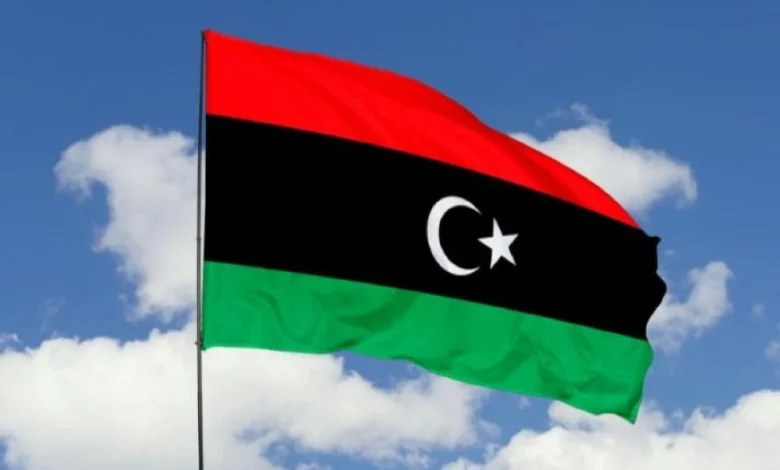
قرر مصرف ليبيا المركزي، تعديل سعر صرف الدينار الليبي بتخفيض نسبته 14.7% أمام وحدة حقوق السحب الخاصة «SDRS»، ليصبح كل دينار ليبي معادلاً لـ 0.1150 وحدة حقوق سحب خاصة بدلاً من 0.1348 وحدة.
وشهدت الأيام الأخيرة انخفاضاً في سعر الدينار الليبي بالسوق السوداء «الموازية»، ترافق مع ارتفاع في أسعار السلع، حيث فاق الدولار الأمريكي سعر 9 دنانير قبل أن يصل إلى 8.7 دينار مقابل الدولار، فيما يصل السعر الرسمي بعد القرار الأخير إلى 6.36 دينار مقابل الدولار.
تطورات اقتصادية
وجاء قرار المركزي الليبي تنفيذاً لتوصيات لجنة السياسة النقدية في اجتماعها الأول لعام 2026، ونتيجة اجتماع مجلس الإدارة يوم الأربعاء الماضي، وفي إطار متابعة التطورات الاقتصادية والمالية الراهنة التي يشهدها الاقتصاد الليبي، وما يواجهه من تحديات نتيجة استمرار حالة الانقسام السياسي وانعكاساته السلبية على الأوضاع الاقتصادية، فضلاً عن المتغيرات الاقتصادية الدولية، ولا سيما تراجع أسعار النفط في الأسواق العالمية وما ترتب عليه من انخفاض في الإيرادات النفطية الليبية.
غياب ميزانية
وقال البنك المركزي الليبي، في بيان صحفي:«إن قرار تعديل سعر العملة يأتي مع استمرار غياب ميزانية عامة موحدة للدولة، وتنامي الإنفاق العام بوتيرة غير مستدامة، واستمرار الازدواجية في الإنفاق خارج أطر مالية منضبطة، ودون مراعاة للقدرة الاستيعابية والتمويلية للاقتصاد الوطني، الأمر الذي استوجب اتخاذ جملة من الإجراءات الهادفة إلى الحفاظ على الاستقرار المالي والنقدي وضمان استدامة الموارد العامة».
وأقرت لجنة السياسة النقدية في مصرف ليبيا المركزي حزمة إصلاحات في السياسة النقدية والتجارية، شملت تنظيم نشاط الصرافة واحتواء السوق الموازية وحماية الاحتياطيات ودعم استقرار سعر الصرف.
The Central Bank of Libya has decided to adjust the exchange rate of the Libyan dinar by reducing it by 14.7% against the Special Drawing Rights (SDRs), making each Libyan dinar equivalent to 0.1150 SDRs instead of 0.1348 SDRs.
In recent days, there has been a decline in the price of the Libyan dinar in the black market (parallel market), accompanied by a rise in commodity prices, as the US dollar exceeded 9 dinars before reaching 8.7 dinars per dollar, while the official price after the recent decision stands at 6.36 dinars per dollar.
Economic Developments
The Central Bank of Libya’s decision came in implementation of the recommendations of the Monetary Policy Committee during its first meeting of 2026, and as a result of the Board of Directors’ meeting last Wednesday. This is part of the ongoing monitoring of the current economic and financial developments in the Libyan economy, and the challenges it faces due to the continued state of political division and its negative impacts on economic conditions, in addition to international economic changes, particularly the decline in oil prices in global markets and the resulting decrease in Libyan oil revenues.
Lack of a Budget
The Central Bank of Libya stated in a press release: “The decision to adjust the currency exchange rate comes amid the continued absence of a unified public budget for the state, the growth of public spending at an unsustainable pace, and the persistence of dual spending outside of disciplined financial frameworks, without regard for the absorptive and financial capacity of the national economy, which necessitated the adoption of a series of measures aimed at maintaining financial and monetary stability and ensuring the sustainability of public resources.”
The Monetary Policy Committee at the Central Bank of Libya approved a package of reforms in monetary and trade policy, which included regulating currency exchange activities, containing the parallel market, protecting reserves, and supporting exchange rate stability.