
سنوات العقوبات الطويلة واختلاف الأنظمة الاقتصادية في فنزويلا وبعض دول أمريكا اللاتينية عن النظام الرأسمالي السائد عالمياً، أبعدت كراكاس لعقود عن استغلال أحد أضخم سلال الثروات الطبيعية في العالم.
تفسر ثروات فنزويلا بعضاً من الأسئلة حول وضع الدولة اللاتينية ضمن محور اهتمام عالمي كلما دخلت البلاد منعطفاً سياسياً حاداً، كما هو الحال بعد الإعلان عن القبض على الرئيس نيكولاس مادورو.
إذن، ماذا تمتلك فنزويلا فعلياً من ثروات؟ وكم تساوي؟
جوهرة التاج الفنزويلي
أولاً: النفط.. جوهرة التاج الفنزويلي، إذ تُعد فنزويلا أكبر دولة في العالم من حيث احتياطيات النفط المؤكدة.
وتشمل الاحتياطيات نحو 303 مليارات برميل، النوع؛ نفط ثقيل وفائق الثقل، يتركز في حزام أورينوكو.
وتمثل القيمة النظرية عند سعر 75 دولاراً للبرميل، تتجاوز القيمة الإجمالية 22 تريليون دولار (قيمة نظرية غير صافية).
ورغم هذا الرقم الهائل، تراجعت القدرة الإنتاجية بسبب نقص الاستثمارات، والعقوبات الأمريكية، وتدهور البنية التحتية لشركة «PDVSA».
ثروة صامتة واحتياطيات ضخمة
ثانياً: الغاز الطبيعي.. الثروة الصامتة، إذ تمتلك فنزويلا احتياطيات ضخمة من الغاز الطبيعي.
الاحتياطيات المؤكدة؛ أكثر من 6.3 تريليون متر مكعب، والترتيب العالمي؛ من بين أكبر 10 دول.
أغلب الاحتياطيات غير مطوّرة، خصوصاً البحرية منها.
ويرى خبراء أن الغاز قد يصبح رافعة اقتصادية أسرع من النفط إذا رُفعت القيود السياسية وتم جذب استثمارات أجنبية.
كنز مدفون ومعادن نادرة
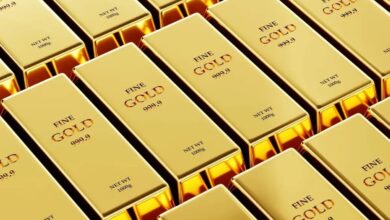
ثالثاً: الذهب.. كنز مدفون في الجنوب، إذ تضم فنزويلا واحداً من أكبر أحزمة الذهب في أمريكا اللاتينية.
الاحتياطي المؤكد؛ نحو 8 آلاف طن من الذهب، والقيمة التقريبية؛ أكثر من 500 مليار دولار بأسعار السوق الحالية.
ويتركز في منطقة قوس التعدين في أورينوكو. لكن هذا القطاع يعاني التعدين غير النظامي، والتهريب الواسع، وغياب الشفافية البيئية والمالية.
رابعاً: معادن إستراتيجية نادرة، إذ تمتلك فنزويلا ثروات معدنية تجعلها لاعباً محتملاً في الاقتصاد الصناعي العالمي.
الحديد؛ من الأكبر في أمريكا الجنوبية (منجم سيرو بوليفار)، والبوكسيت (الألمنيوم)، والكولتان (مهم لصناعة الإلكترونيات)، والنيكل والفوسفات.
ويُنظر إلى هذه المعادن كأوراق إستراتيجية في عصر التحول الرقمي والطاقة النظيفة.
ثروة لا تقدر بثمن
خامساً: الأراضي الزراعية والمياه، وبعيداً عن النفط والمعادن، تمتلك فنزويلا ثروة طبيعية مهملة، تشمل أراضيَ زراعية خصبة في سهول اللانوس، أحد أكبر مخزونات المياه العذبة في العالم.
كما تتمتع بتنوع مناخي يسمح بإنتاج البن، والكاكاو (من الأجود عالمياً)، والذرة وقصب السكر، لكن انهيار البنية الاقتصادية حوّل دولة زراعية تاريخياً إلى مستورد صافٍ للغذاء.
سادساً: الموقع الجغرافي.. ثروة لا تقدر بثمن، إذ تطل فنزويلا على البحر الكاريبي، وقريبة من أسواق الولايات المتحدة، وأمريكا الوسطى، وقناة بنما.
وتعتبر فنزويلا مؤهلة لتكون مركز طاقة وتجارة إقليمياً إذا استقرت سياسياً.
لماذا تعود فنزويلا إلى الواجهة؟
أعاد القبض على نيوكلاس مادورو طرح السؤال الجوهري: هل تدخل فنزويلا مرحلة إعادة فتح اقتصادي يسمح بتحويل هذه الثروات من أرقام على الورق إلى نمو حقيقي؟
وتتوقف الإجابة على 3 أمور هي شكل السلطة القادمة، وموقف العقوبات الدولية، وقدرة الدولة على استعادة الثقة والمؤسسات.
وتعتبر فنزويلا دولة غير فقيرة الموارد، بل دولة غنية معطّلة، إذ تمتلك نفطاً يكفي لعقود، وغازاً لم يُستثمر، وذهباً ومعادن إستراتيجية، وأرضاً ومياهاً تؤهلها للأمن الغذائي.
لكن تحويل هذه الثروات إلى اقتصاد منتج يظل رهناً بالاستقرار السياسي والإدارة الرشيدة، لا بحجم الموارد وحده، فالثروة موجودة والتحدي دائماً في من يحسن إدارتها.
The long years of sanctions and the differences in economic systems in Venezuela and some Latin American countries from the globally dominant capitalist system have kept Caracas from exploiting one of the largest reserves of natural wealth in the world for decades.
The wealth of Venezuela explains some of the questions about the Latin American country’s position within global interest whenever the country enters a sharp political turn, as is the case after the announcement of the arrest of President Nicolás Maduro.
So, what does Venezuela actually possess in terms of wealth? And how much is it worth?
The Venezuelan Crown Jewel
First: Oil.. the crown jewel of Venezuela, as Venezuela is the largest country in the world in terms of proven oil reserves.
The reserves include about 303 billion barrels, of which the type is heavy and extra-heavy oil, concentrated in the Orinoco Belt.
The theoretical value at a price of $75 per barrel exceeds a total value of $22 trillion (theoretical non-net value).
Despite this enormous figure, production capacity has declined due to a lack of investments, U.S. sanctions, and the deterioration of the infrastructure of “PDVSA”.
A Silent Wealth and Huge Reserves
Second: Natural gas.. the silent wealth, as Venezuela possesses huge reserves of natural gas.
The proven reserves are more than 6.3 trillion cubic meters, ranking among the top 10 countries globally.
Most of the reserves are undeveloped, especially the offshore ones.
Experts believe that gas could become an economic lever faster than oil if political restrictions are lifted and foreign investments are attracted.
A Buried Treasure and Rare Minerals
Third: Gold.. a buried treasure in the south, as Venezuela contains one of the largest gold belts in Latin America.
The proven reserve is about 8,000 tons of gold, with an approximate value of more than $500 billion at current market prices.
It is concentrated in the mining arc of Orinoco. However, this sector suffers from informal mining, widespread smuggling, and a lack of environmental and financial transparency.
Fourth: Rare strategic minerals, as Venezuela possesses mineral wealth that makes it a potential player in the global industrial economy.
Iron; among the largest in South America (Cerro Bolívar mine), bauxite (aluminum), coltan (important for the electronics industry), nickel, and phosphate.
These minerals are seen as strategic assets in the era of digital transformation and clean energy.
A Priceless Wealth
Fifth: Agricultural land and water, and away from oil and minerals, Venezuela has an overlooked natural wealth, including fertile agricultural lands in the Llanos plains, one of the largest freshwater reserves in the world.
It also enjoys climatic diversity that allows for the production of coffee, cocoa (among the finest in the world), corn, and sugarcane, but the collapse of the economic infrastructure has turned a historically agricultural country into a net food importer.
Sixth: The geographical location.. a priceless wealth, as Venezuela overlooks the Caribbean Sea and is close to the markets of the United States, Central America, and the Panama Canal.
Venezuela is considered qualified to be a regional energy and trade hub if it stabilizes politically.
Why is Venezuela Returning to the Forefront?
The arrest of Nicolás Maduro has raised the fundamental question: Is Venezuela entering a phase of economic reopening that allows for the transformation of these wealth figures from numbers on paper into real growth?
The answer depends on three factors: the form of the upcoming authority, the stance on international sanctions, and the state’s ability to restore trust and institutions.
Venezuela is considered not a resource-poor country, but a rich country that is currently stalled, as it possesses oil sufficient for decades, uninvested gas, gold, strategic minerals, and land and water that qualify it for food security.
However, transforming these resources into a productive economy remains contingent on political stability and good governance, not just the size of the resources alone, as the wealth exists and the challenge is always in who manages it well.